Why Most Virtual Assistants Stay Stuck (And What To Do Instead)
One thing I see online all the time is virtual assistants saying things like, “Let me lighten the load for you,” or “I can help with any task.” The way they describe their work is usually about taking things off a client’s plate.
And while that sounds helpful, I actually don't think it's the best way to think about the role of a virtual assistant.
If your entire business is built around being the person who gets given tasks and completes them, you're likely to end up underpaid, overworked, and feeling pretty replaceable. The reality is that being a task doer is the easiest role to replace.
I think that's why so many VAs end up stuck doing hourly work for multiple clients across different industries, without ever feeling like they're earning what they want, working with the clients they love, or getting genuine satisfaction from their work.
The good news is that there is another way.

Be a strategic partner
From Task Doer to Strategic Partner
When I first started as a VA, I did exactly what most people do. A client would give me a task, I'd complete it, then they'd give me another task, and I'd complete that too. At the beginning, that's completely normal. It's how most virtual assistants get started.
The problem is that if you stay there, your business can only grow so far.
The shift happens when you stop thinking of yourself as someone who completes tasks and start thinking of yourself as a strategic partner.
A task doer waits to be told what to do. They focus on individual tasks and work within whatever systems already exist. They're often inheriting messy processes and reacting to whatever comes their way.
A strategic partner, on the other hand, understands how the entire business works. They look at the bigger picture. They identify what isn't working, suggest improvements, streamline processes, and help the client make better decisions.
When you think about it, which person would you pay more?
The person who follows instructions?
Or the person who helps your business run better?
Most business owners would choose the second option every time.
The Turning Point in My Own Business
Back in 2020, I started helping therapists move their private practices online. At the time, many therapists were still using paper forms, manual booking systems, and processes that relied on face-to-face administration. Suddenly, they needed a way to send paperwork electronically, manage appointments online, and communicate with clients remotely.
Rather than simply transferring their existing processes into an online system, I started looking at how those processes could be improved. I mapped out the entire client journey, from the first enquiry all the way through to off-boarding. Then I looked at every stage and asked one simple question: "How can we make this work better?"
One therapist I worked with told me she had seen her highest client retention rates since implementing the systems we created together.
That wasn't because I magically became better at answering emails.
It was because we improved the client experience. We streamlined onboarding, automated appointment reminders, simplified forms, and removed confusion around bookings and payments. The result was a smoother experience for her clients and a more successful business overall.
That's the difference between simply doing tasks and actually improving a business.
Why Expertise Matters More Than Price
When clients see you as someone who simply completes tasks, they often compare you based on price. If they're interviewing three VAs who all offer roughly the same thing, they'll naturally ask themselves why they should pay more.
But when you bring expertise, ideas, and solutions to the table, the conversation changes. You can learn more about this in my YouTube video Why Your Discovery Call Is Costing You Clients (And What to Do Instead).
Instead of comparing hourly rates, clients start thinking about value.
They see you as someone who can help them solve problems, save time, improve systems, and grow their business. That was the point where everything changed for me. Rather than offering generic VA services, I became known for helping therapists set up and streamline their practices. I developed a clear process, specialised in specific systems, and became confident enough to say, "This is how I work."
That specialisation helped me grow an agency and eventually create a licensing programme that teaches other VAs to do the same.

The Value you bring is the most important part
The Power of Understanding Your Industry
One of the biggest differences between a task doer and a strategic partner is industry knowledge. When you truly understand the industry you work in, you become significantly more valuable.
For example, because I work with therapists, I understand confidentiality requirements, GDPR considerations, record keeping expectations, and the systems commonly used within private practice.
That means therapists don't have to spend time teaching me the basics. They know I already understand their world.
The same principle applies no matter who you work with.
Whether your clients are hairdressers, plumbers, coaches, accountants, or consultants, understanding their industry gives you the ability to provide better advice, make better recommendations, and work more independently.
Learn the Client Journey
One of the most valuable things you can do is understand your client's client journey. For therapists, that journey starts with an enquiry. Then comes onboarding, appointments, invoicing, communication, note-taking, reporting, and eventually off-boarding.
While every practice has slight differences, the overall journey is remarkably similar. When you understand that journey from beginning to end, you can identify gaps, spot inefficiencies, and suggest improvements. Even more importantly, you can demonstrate that understanding during discovery calls.
Many business owners have never actually mapped out their client journey. When you walk them through it and identify opportunities for improvement, it instantly positions you as someone who understands their business.
Become an Expert in the Systems
Another area where strategic partners stand out is system knowledge. If you know the software commonly used within your niche, you become far more valuable. For me, that system is Zanda*.
Over the years I've become deeply familiar with how it works, how to set it up, and how to create processes around it. That knowledge allows me to recommend solutions confidently and help clients get results faster.
The more familiar you become with the systems used in your industry, the easier it becomes to spot opportunities, improve workflows, and support clients effectively.
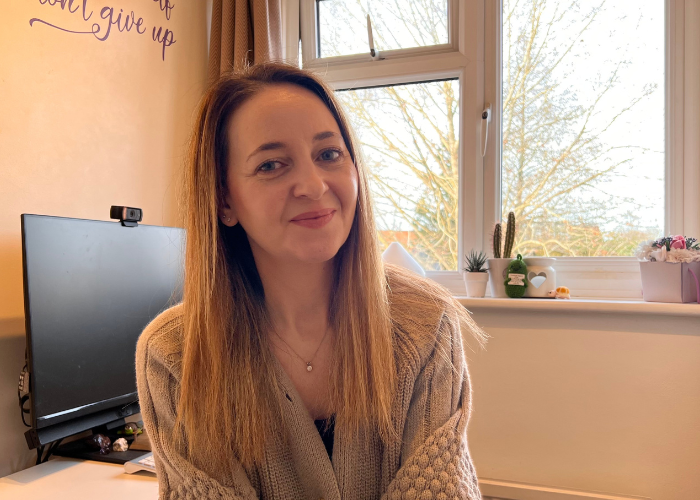
Me
Know the Common Mistakes
Every industry has common problems. In therapy private practice, it's surprisingly common for people to struggle with invoicing, payment tracking, and financial systems. When you know the common mistakes people make, you know what questions to ask. You can identify issues quickly, make recommendations confidently, and help clients avoid problems before they become bigger headaches.
It also reassures potential clients because they can see that you've worked with people like them before.
How to Make the Shift
If you're currently feeling stuck as a VA, the first thing I'd encourage you to do is look at the clients you're already working with.
Who do you enjoy working with most?
Which industry genuinely interests you?
Where are most of your clients already coming from?
Once you've identified a niche that feels like a good fit, go all in. Learn the terminology. Learn the systems. Understand the regulations. Map out the client journey. Study the common mistakes. Become the person who truly understands that industry.
The next step is creating a unique offer.
For me, that starts with a workflow consultation and systems setup before we begin any ongoing support. That process helps me understand the business thoroughly and allows me to recommend improvements from day one.
Your unique offer might look completely different, but having a clear process and methodology helps position you as an expert rather than just another VA.
The Real Goal
The goal isn't simply to have clients. The goal is to become someone clients genuinely rely on.
I love working with clients who come to me with new ideas and ask, "Can we make this happen?" Whether they're launching a new service, starting a group practice, or trying something completely different, they trust me to help them figure out the logistics and implementation. That's when the work becomes exciting.
You're no longer waiting for tasks to land in your inbox. You're actively helping shape the future of the business. And that's where the real value lies.
Ready to Become an In-Demand Specialist?
If you're ready to stop being overlooked and start positioning yourself as an expert, I've created a free workshop called How to Go From an Overlooked VA to an In-Demand Specialist.
In under 30 minutes, I'll walk you through how to choose a niche, position yourself as a specialist, and attract better clients who value your expertise.
It's completely free, and it will help you take the first steps towards becoming the strategic partner your clients actually need.
I'd love to see you there.
*This is an affiliate link but I wholeheartedly recommend Zanda! My team and I use it every day, for multiple clients. It won't cost you a penny more if you use this link and you’ll also get 14 days to try it for free, so why not give it a go?